Fitness for Lifelong Learning Through Electronic Exploration

Establishing Lesson Purpose

Letter Mix-Up

Instructions: Look carefully at the image provided in the module. Right beside the image, you will see a set of jumbled letters. Rearrange the letters and TYPE ALL YOUR ANSWERS in the box before pressing SUBMIT. Don't forget to take a screenshot after completing the activity.

(Panuto: Tingnang mabuti ang larawan na nasa module. Sa gilid ng larawan, makikita mo ang mga magkahalong letra. Ayusin ang mga ito at ITYPE LAHAT NG SAGOT sa kahon bago i-SUBMIT. Huwag kalimutang mag-screenshot pagkatapos sagutan ang gawain.)

Image Jumbled Letters Your Answer
Drugs Image GRDSU
Drug Abuse Image RDUG BUEAS
Drug Misuse Image RUGD SUMIES
Drug Dependence Image GURD NEDCPEDEEND

Introducing Content

Understanding Key Terms

Instructions: In the previous activity, you arranged jumbled letters to form important words related to our lesson. To deepen your understanding of these terms, read each definition carefully and identify the correct term that matches it. Write the letter of your chosen answer in your notebook.
(Sa nakaraang aktibidad, inayos ninyo ang magkakagulong letra upang mabuo ang mahahalagang salita na may kaugnayan sa ating aralin. Upang mas mapalalim ang inyong pag-unawa sa mga salitang ito, basahin nang mabuti ang bawat kahulugan at tukuyin ang tamang salita na tumutugma rito. Isulat ang titik ng inyong napiling sagot sa inyong kuwaderno.)

  1. What is referred to as the utilization of a substance for purposes other than medicinal use, which can cause organ damage such as brain and liver impairment, addiction, and behavioral problems?
    A. Drugs     B. Drugs Abused     C. Drug Dependence     D. Drug Misuse
  2. Which term refers to the condition characterized by physiological, behavioral, and cognitive manifestations where substance use becomes a central focus, resulting in a strong urge to consume the substance?
    A. Drugs     B. Drugs Abused     C. Drug Dependence     D. Drug Misuse
  3. What do you call the improper use of a substance that deviates from the prescribed dosage or recommended frequency, often leading to inappropriate consumption patterns?
    A. Drugs     B. Drugs Abused     C. Drug Dependence     D. Drug Misuse
  4. What are substances or chemicals taken in various ways—such as through the nose, mouth, skin, or veins—that cause psychological, emotional, and behavioral changes in individuals?
    A. Drugs     B. Drugs Abused     C. Drug Dependence     D. Drug Misuse

Developing Understanding

Psychoactive Substances is commonly known as drugs, have long been part of human culture, influencing perception, mood, and behavior. These substances alter brain function and can be categorized into stimulants, depressants, hallucinogens, and opioids. While some are medically prescribed, others, like cocaine and heroin, are classified as drugs of abuse due to their addictive and harmful nature. Misuse can lead to addiction, mental health issues, and societal problems. Understanding these substances is crucial for promoting health and preventing substance abuse.

TYPES OF PSYCHOACTIVE DRUGS
1. DEPRESSANTS

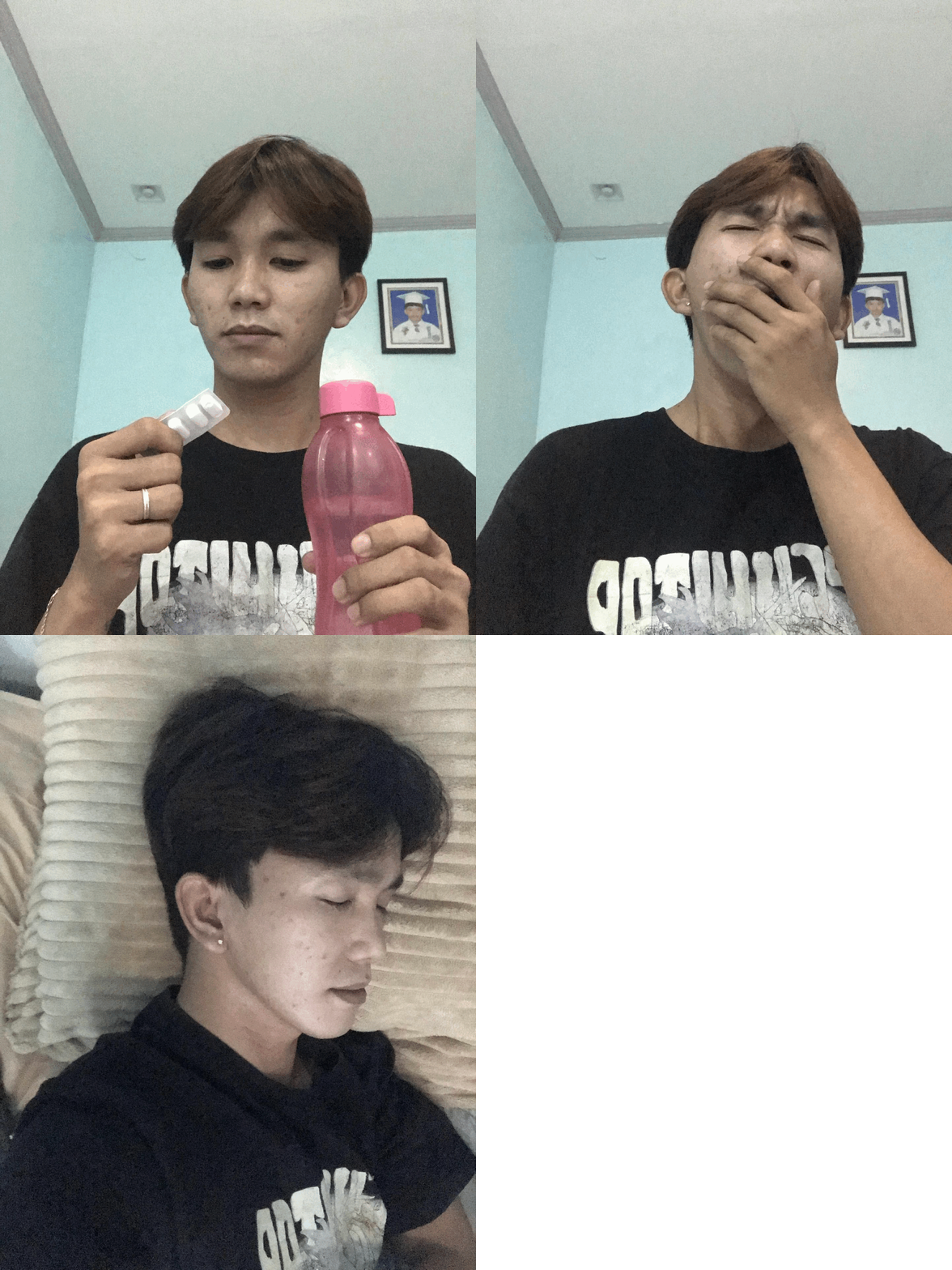
These substances have a calming effect on the brain, inducing drowsiness and relaxation. However, they may also trigger nightmares, anxiety, and aggression. Alcohol serves as a prominent example of a depressant.

  • Alcohol: A widely consumed depressant.
  • Benzodiazepines: Prescription drugs like Xanax (alprazolam) used to treat anxiety.
  • Barbiturates: A class of drugs that can be used as sedatives or anesthetics.
  • Opioids: A group of drugs that includes both illegal substances like heroin and prescription pain relievers like oxycodone.

2. STIMULANTS

This category encompasses substances like cocaine and caffeine, which boost energy, alertness, and wakefulness.

  • Caffeine: The most widely consumed stimulant globally, found in coffee, tea, chocolate, and energy drinks, primarily used for wakefulness and increased alertness.
  • Nicotine: The primary active ingredient in tobacco products (cigarettes, vapes), known for both stimulant and relaxant effects and high addictive potential.
  • Cocaine: A powerful, highly addictive illicit drug derived from the coca plant, known for producing intense, short-lived euphoria. It has limited medical use as a local anesthetic in specific surgical procedures.
  • Methamphetamine: A very strong, highly addictive synthetic drug (both illegal and very rarely prescribed as Desoxyn) that can cause significant damage to the brain and body with long-term use.
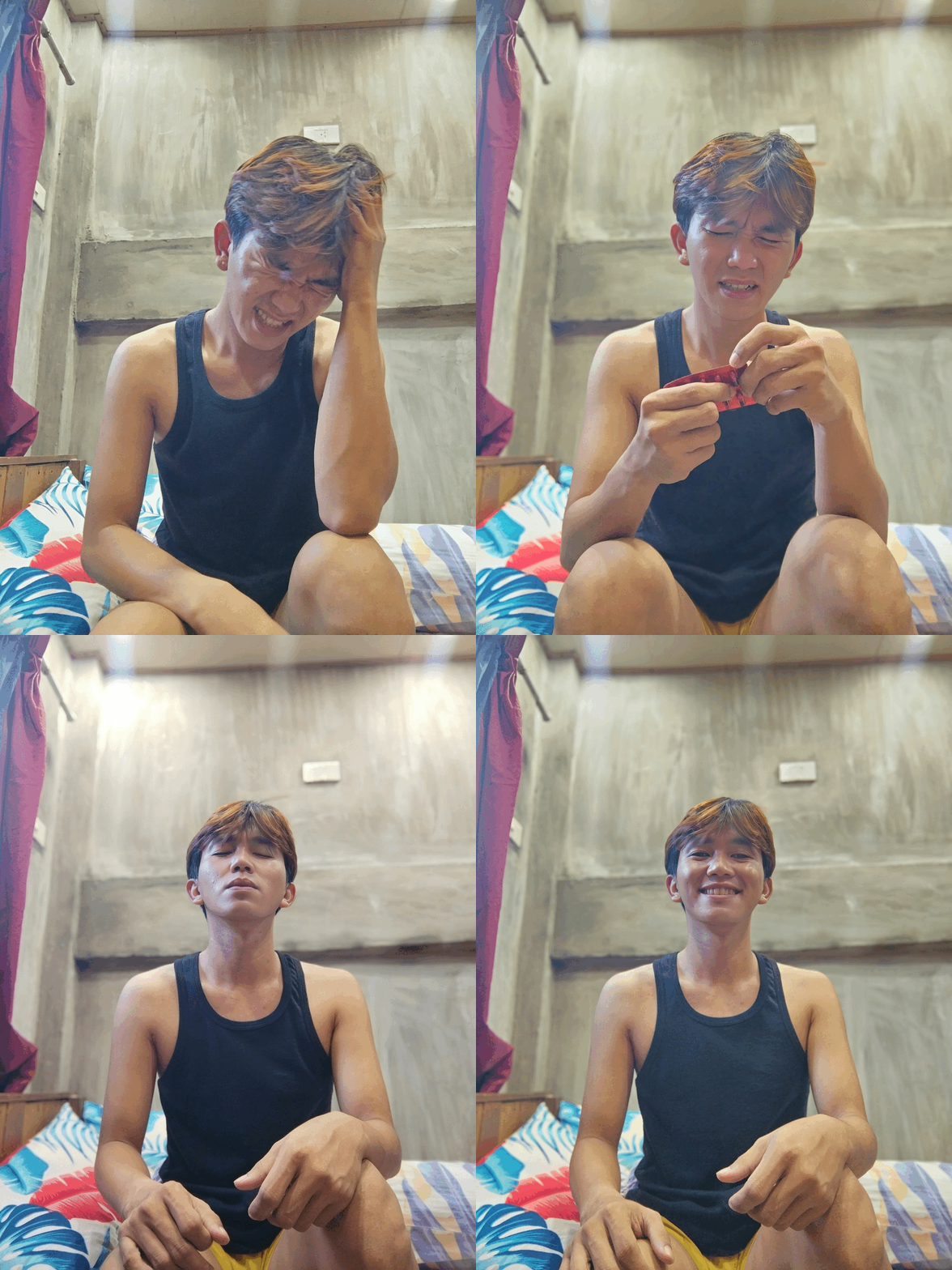
3. OPIATES

These drugs, known for their pain-relieving properties, induce feelings of happiness or euphoria while producing a sedative effect.

Misuse can lead to addiction. Examples include heroin.

  • Oxycodone
  • Oxymorphone
  • Hydrocodone
  • Hydromorphone
  • Fentanyl
  • Morphine
  • Codeine
  • Methadone
  • Tramadol
  • Buprenorphine

4. HALLUCINOGENS

These substances provoke hallucinations, altering perception to the extent of seeing or hearing things that aren't present. They may also distort time perception, induce a sense of detachment from surroundings, or evoke profound insights. LSD is a notable example of a hallucinogen.

  • LSD (Lysergic acid diethylamide): A potent synthetic chemical derived from ergot, a fungus that grows on rye and other grains. It is typically found on blotter paper, in tablets, or in liquid form.
  • Psilocybin: The psychoactive compound found in certain species of "magic mushrooms." The mushrooms are usually eaten raw, cooked, or brewed into a tea.
  • Peyote (Mescaline): A small, spineless cactus whose main active ingredient is mescaline. The disk-shaped "buttons" from the cactus crown are usually chewed or soaked in water to produce an intoxicating liquid.
  • DMT (Dimethyltryptamine): A naturally occurring chemical in some plants, which can also be human-made. It is often consumed as an Amazonian brew called ayahuasca, or as a white powder that is smoked.

General Adverse Effects of Substance Use (Short-Term and Long Term) On the Person, Family, School, and the Community
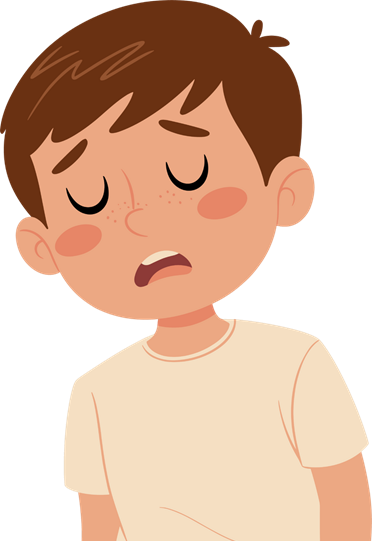
EFFECTS OF SUBSTANCE USE ON THE PERSON - SHORT-TERM

  • Cognitive impairment and memory problems
  • Physical health risks (nausea, vomiting, dehydration)
  • Impaired judgment and decision-making
  • Increased risk-taking behavior
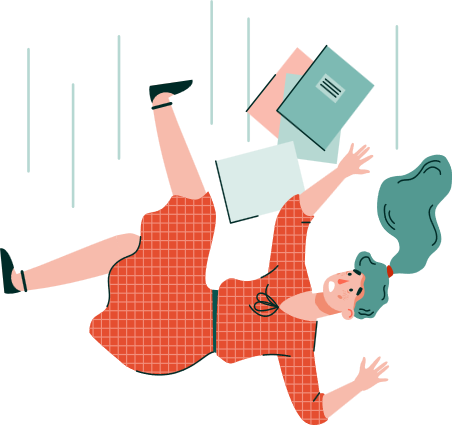
  • Accidents and injuries (falls, motor vehicle accidents)
  • Risk of overdose and poisoning

EFFECTS OF SUBSTANCE USE ON THE PERSON - LONG-TERM

  • Mental health disorders (depression, anxiety, psychosis)
  • Chronic health problems (liver disease, cardiovascular issues)
  • Development of substance dependence or addiction
  • Cognitive decline and impairment
  • Legal consequences (criminal record, incarceration)
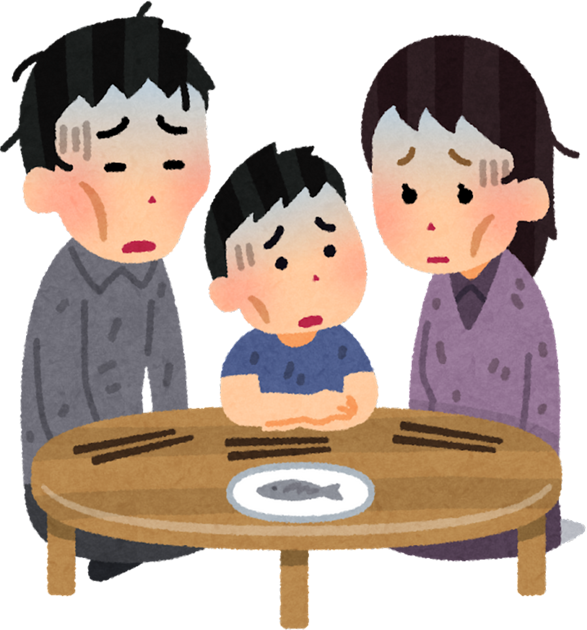
EFFECTS OF SUBSTANCE USE ON THE FAMILY - SHORT-TERM

  • Neglect of family responsibilities (childcare, household duties)
  • Emotional distress and instability
  • Strained relationships and conflicts
  • Financial strain due to substance-related expenses
  • Feelings of shame, guilt, and embarrassment
  • Increased risk of domestic violence and abuse
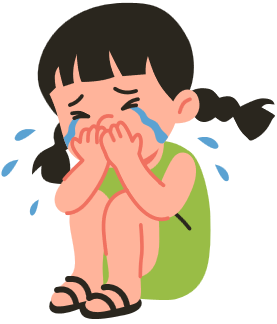
EFFECTS OF SUBSTANCE USE ON THE FAMILY - LONG-TERM

  • Financial instability and poverty
  • Intergenerational transmission of substance uses disorders
  • Breakdown of family relationships and estrangement
  • Emotional trauma and psychological scars
  • Loss of trust and communication

EFFECTS OF SUBSTANCE USE ON THE SCHOOL - SHORT-TERM

  • Increased disciplinary actions and suspensions
  • Disruption of classroom dynamics and learning environments
  • Decreased academic performance and attendance
  • Difficulty concentrating and retaining information
  • Peer influence and pressure to engage in substance use
  • Risk of expulsion or dropout

EFFECTS OF SUBSTANCE USE ON THE SCHOOL - LONG-TERM

  • Disengagement from school and educational goals
  • Increased risk of involvement in delinquent activities
  • Persistent academic underachievement and dropout
  • Reduced opportunities for future success and employment
  • Impact on school reputation and community perception

EFFECTS OF SUBSTANCE USE ON THE COMMUNITY - SHORT-TERM

  • Crime and antisocial behavior (theft, vandalism)
  • Increased burden on healthcare and emergency services
  • Public health concerns (spread of infectious diseases through needle sharing)
  • Environmental impacts (littering, pollution from drug production)
  • Social stigma and discrimination against individuals with substance use disorders
  • Decreased community cohesion and trust

EFFECTS OF SUBSTANCE USE ON THE COMMUNITY - LONG-TERM

  • Social inequalities and disparities in access to resources
  • Disruption of community safety and security
  • Economic burden from healthcare costs and social services
  • Deterioration of neighborhood environments and property values
  • Strain on community resources and support systems
  • Negative portrayal in media leading to stigma and discrimination

Preventive Measures Against Substance Use and Abuse

(Emphasize Non-Use as the Norm)

Preventing substance abuse may not have a guaranteed formula, but there are steps everyone can take to reduce its chances. Here are five simple ways to do it:
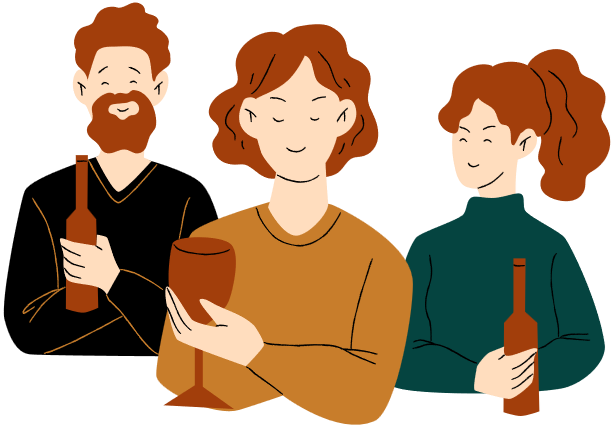
PREVENTIVE MEASURES AGAINST SUBSTANCE USE

Know How Substance Abuse Starts - It often begins with using addictive drugs for fun, always seeking to get high, or misusing prescription meds.
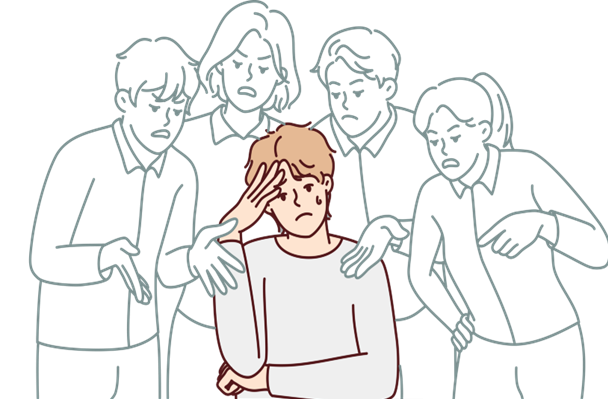
Avoid Peer Pressure- Stay away from friends or family who push you to use drugs. If you're around people who do drugs, you might be tempted. Learning to say no firmly and planning ahead can help.
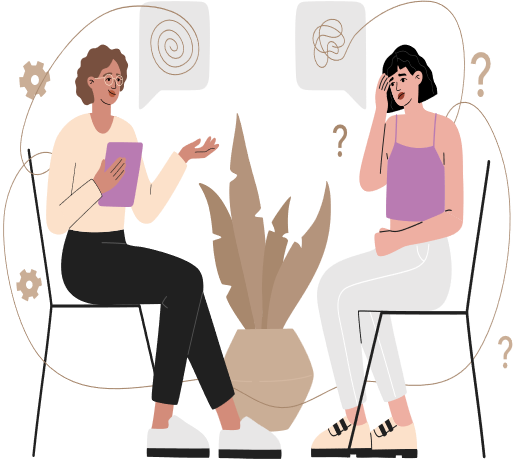
Get Help for Mental Health- If you're struggling with anxiety, depression, or trauma, talk to a therapist. They can teach you healthy ways to cope without turning to drugs.
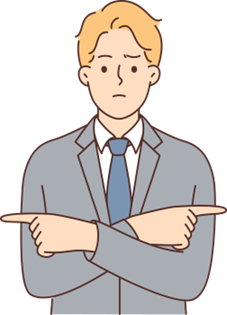
Understand Your Risks- If addiction runs in your family or if you're exposed to certain environments, you might be at higher risk. Knowing these factors can help you make better choices.

Keep a Balanced Life- Find healthy ways to manage stress and fill any gaps in your life. When you have good ways to cope, you're less likely to turn to drugs or alcohol for relief.

Application of Safety Precaution

Identifying Safety Risks and Precautions

Instructions: Below are different situations where substance use may pose a risk. Using what you learned about the effects of psychoactive substances and the preventive measures against substance use, identify the possible risk and the safety precaution you should take. Write your answers in the spaces provided.

(Panuto: Nasa ibaba ang iba't ibang sitwasyon kung saan maaaring magkaroon ng panganib ang paggamit ng ipinagbabawal o mapanganib na sangkap. Gamit ang iyong natutunan tungkol sa mga epekto ng psychoactive substances at mga hakbang sa pag-iwas sa paggamit ng mga ito, tukuyin ang maaaring panganib at ang angkop na safety precaution na dapat mong gawin. Isulat ang iyong mga sagot sa mga puwang na nakalaan.)

Example:
Situation Possible Risk Safety Precaution
You feel sad and tempted to take medicine without a prescription. You might misuse medicine and harm your body. Talk to a trusted adult or counselor and avoid taking medicine not prescribed for you.
Answer the following:
Situation Possible Risk Safety Precaution
1. A stranger offers you an unknown substance.
2. You are surrounded by peers who are vaping.
3. You feel overwhelmed with school tasks.
4. A classmate pressures you to drink alcohol during a school event.
5. You find prescription medication at home that is not yours.
6. You are invited to a party where illegal drugs may be present.
7. You see an older teen using drugs near your neighborhood.
8. You witness a friend showing signs of substance misuse.
9. You encounter online ads promoting unlabeled "energy pills."
10. Your family is stressed, and you feel tempted to use harmful substances.

Fulfillment of Activity

"Expressing Substance-Free Living"

Instructions: Using a short bond paper, create a slogan promoting a substance-free living. Incorporate visual elements such as colors, symbols, and images that represent substance-free living and prevention. Focus on both the visual appeal and the message conveyed by your artistic slogans. Be guided based on the rubrics below.

(Panuto: Para sa gawaing ito, kailangang gamitin ang isang short bond paper upang makabuo ng isang slogan na nagtataguyod ng pamumuhay na malaya sa bawal na gamot (substance-free living). Dapat isama ang iba't ibang elemento ng sining tulad ng kulay, simbolo, at larawan na tiyak na kumakatawan sa pag-iwas at pagtataguyod ng malusog na pamumuhay. Higit sa lahat, mahalagang pagtuunan ng pansin ang pagiging kaakit-akit (visual appeal) ng inyong disenyo at kasabay nito ang kalinawan at lakas ng mensaheng nais iparating ng inyong slogan. Ang inyong likha ay mamarkahan batay sa rubrics na ibinigay, kaya't tiyakin na ang inyong gawa ay mataas sa pagkamalikhain, kaugnayan sa tema, at epektibong pag-uugnay ng teksto at sining.)

Criteria Excellent
(5 Points)
Good
(4 Points)
Fair
(3 Points)
Needs Improvement
(1-2 Points)
I. Message Clarity & Relevance Message is exceptionally clear, concise, and highly persuasive. Directly and strongly promotes a substance-free lifestyle. Message is clear and easily understood, and is very relevant to the theme. Message is somewhat unclear or vague, with only moderate relevance to the theme. Message is unclear and lacks relevance to the theme.
II. Artistry & Creativity (Visual Appeal & Creativity) Visually striking and highly appealing presentation. Slogan is extremely original and creative. Appealing and well-presented design. Slogan is original and creative. Design is moderately appealing. Slogan shows limited originality or creativity. Design is unattractive and lacks creativity.
III. Integration & Presentation (Visual Integration & Overall Polish) Effective integration of all visual elements (colors, symbols, images) to powerfully enhance the message. Presentation is polished and professional. Visual elements support the message. Presentation is neat and organized overall. Visual elements are poorly integrated and do not enhance the message much. Presentation lacks polish. Poor integration of visuals and message. Presentation is disorganized and sloppy.

References

https://www.canva.com/posters/templates/drug-free/

Evaluating Learning

Instructions: Read each item carefully and choose the letter of the correct answer. Write your answers in your notebook.

1. Which type of psychoactive substance slows down brain activity and can make a person feel relaxed or sleepy?
A. Depressants
B. Hallucinogens
C. Opiates
D. Stimulants

2. What do you call the use of a substance for purposes other than medicinal use, which can lead to addiction and harmful effects?
A. Drug abuse
B. Drug dependence
C. Drug misuse
D. Drug tolerance

3. Which term refers to a strong urge or compelling desire to continue using a substance, even when it causes harm?
A. Drug dependence
B. Drug intake
C. Drug misuse
D. Drug overdose

4. Which is a short-term effect of substance use on a person?
A. Chronic liver disease
B. Cognitive impairment
C. Increased poverty
D. Loss of family relationships

5. Which of the following is a preventive measure against substance abuse?
A. Avoiding peer pressure situations
B. Joining groups that use drugs
C. Keeping drug offers a secret
D. Trying drugs when stressed

6. Your friend invites you to vape 'just once' during lunch break. What is the BEST decision?
A. Ignore the risks and try it
B. Firmly refuse and walk away
C. Say yes to maintain the friendship
D. Try it but only for a few seconds

7. You see a classmate taking pills that are not prescribed to him. What should you do?
A. Encourage him to take more
B. Tell a trusted adult or teacher
C. Try one to see what it feels like
D. Record a video for fun

8. Which type of drug is known for causing hallucinations or seeing things that are not real?
A. Depressants
B. Hallucinogens
C. Pain relievers
D. Stimulants

9. You're feeling overwhelmed with schoolwork and a classmate offers you an "energy pill" from an online shop without labels. What is the safest action?
A. Accept it but save it for later
B. Refuse and use healthy coping strategies
C. Take it to finish your tasks faster
D. Try half a pill only

10. Which long-term effect of substance use can negatively affect a person's future opportunities and education?
A. Better concentration
B. Improved memory
C. Persistent academic underachievement
D. Stronger immune system